High-end retail mailers and precision engineered cardboard boxes configured for direct delivery to Austria's commercial centers.
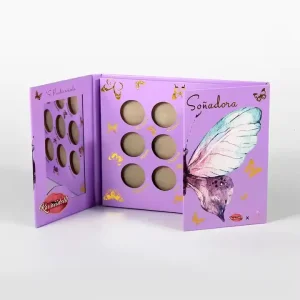
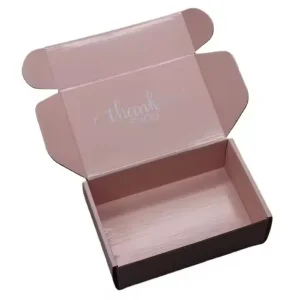
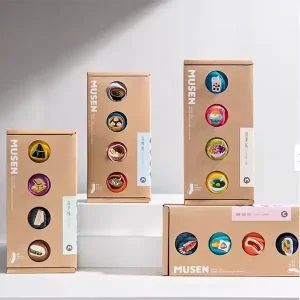
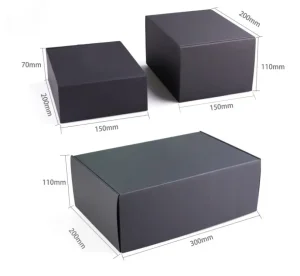
The commercial packaging landscape in Austria is experiencing a transformative shift, driven by rigorous sustainability initiatives and the rapid expansion of digital commerce channels. Austria's packaging guidelines align tightly with the European Union's Circular Economy Action Plan and the Packaging and Packaging Waste Regulation (PPWR). A key local regulatory player is Austria's Altstoff Recycling Austria (ARA) system, which establishes strict compliance fees and EPR (Extended Producer Responsibility) registration requirements for all packaging distributed within the nation.
As Austrian consumers become increasingly eco-conscious, industries ranging from high-end cosmetics in Vienna to precision engineering firms in Upper Austria are migrating away from single-use plastics. There is an soaring demand for sustainable, fiber-based packaging solutions. Custom-engineered corrugated mailers and lightweight, highly rigid folding boxes are now the industry standard, providing optimal strength-to-weight ratios that lower freight emissions while remaining fully compatible with localized recycling infrastructures.
Procuring raw materials certified under strict Forest Stewardship Council (FSC) criteria to align directly with EU green sourcing mandates.
Supporting compliance configurations for clean licensing through local recovery services in Austria, avoiding customs delays.
Advanced light-weighting methodologies that significantly lower the weight-based EPR tariff rates for high-volume commercial users.
From a functional standpoint, packaging cannot simply be aesthetic; it must be an engineered barrier. For corrugated mailers serving the Austrian e-commerce hubs (e.g., Graz, Linz, Vienna), we utilize premium fluting profiles designed to absorb impact stresses during transport. Micro-flute corrugated boards, particularly E-Flute (1.1mm to 1.6mm) and B-Flute (2.5mm to 3.0mm), provide structural rigidity, exceptional puncture resistance, and a smooth, flat printing surface ideal for high-resolution graphics.
Our E-Flute design integrates a tight wave configuration (approximately 290 flutes per linear meter), which resists vertical crushing while enabling clean folding seams. For luxury gift sets and high-end consumer goods, we pair these flutes with high-grammage testliners and kraftliners (ranging from 250g to 400g) that prevent moisture absorption during humid transit conditions across Alpine transport routes.
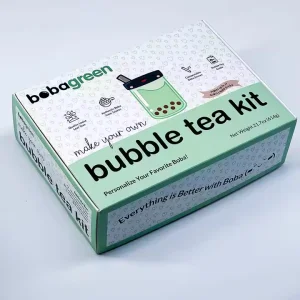
Folding carton boxes, on the other hand, utilize premium solid bleached sulfate (SBS) or folding boxboard (FBB) to deliver high-quality aesthetics for internal retail presentation. When Doton designs folding boxes, we ensure our tooling tolerances remain under ±0.5mm, guaranteeing seamless assembly on automated high-speed packaging lines in food, cosmetics, and industrial electronics plants.
Established in 2009, Zhuhai Doton Printing is one of the leading and professional packaging manufacturers in China. Over our 15-year history of continuous package design and service innovation, we have focused heavily on integrating advanced technical materials with highly reliable logistics solutions. Our custom packaging serves food, cosmetic, retail, toy, garment, and luxury beverage sectors globally.
One of the key pillars of Doton's success is our focus on material research and development. To secure a better printing quality with higher color fidelity and crisp resolution, we utilize FSC-certified papers, recycled post-consumer waste liners, and environmentally friendly soy-based inks. Our prepress operations use an advanced CTP (Computer-to-Plate) facility system to translate digital artwork directly to production plates with zero optical loss.
Printing is the core of our packaging production. Doton utilizes state-of-the-art KBA printing machinery and top-tier Heidelberg offset presses to meet the highest quality standards. With a monthly capacity exceeding 1,000,000 boxes, our factory houses automated post-print equipment, including film laminating machines, foil stamping units, die cutters, paper mounting systems, and high-speed box gluers.

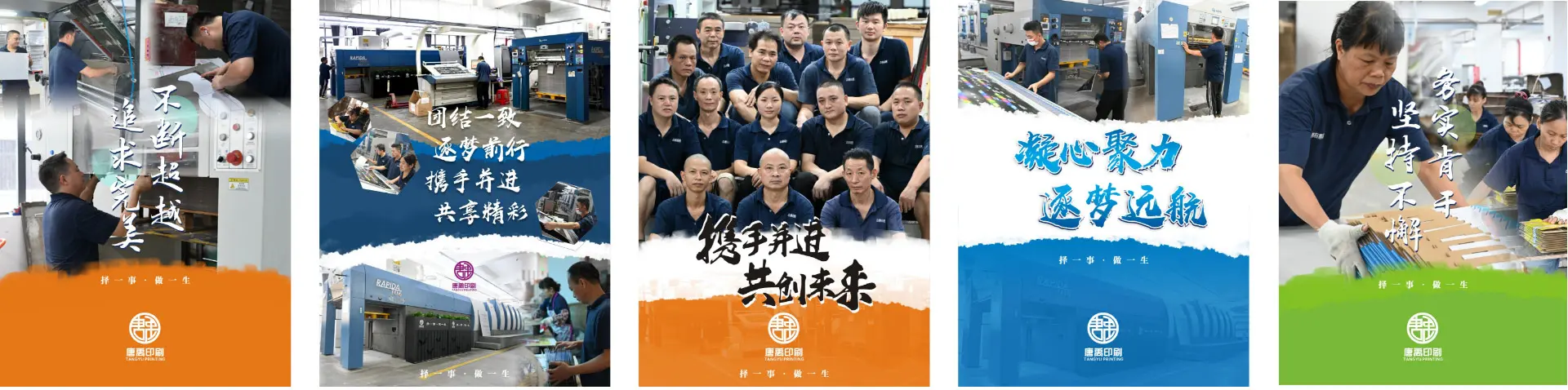
Procuring custom mailers and folding boxes from an overseas partner requires absolute clarity on production capabilities, quality checkpoints, and logistics. Doton operates under ISO 9001:2015 frameworks, verifying that every production run undergoes structural and aesthetic quality audits. This is particularly valuable for Austrian brands sourcing internationally, where quality defects can stall domestic logistics schedules.
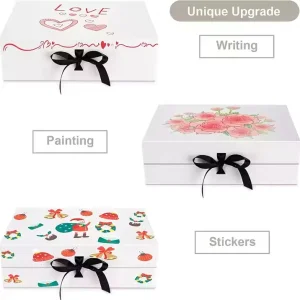
Through our advanced Heidelberg and KBA offset presses, we provide a full range of high-end finishing techniques designed to elevate brand value in competitive European retail markets:
Our comprehensive structural designs built to meet Austrian compliance, food hygiene, and shipping standards.
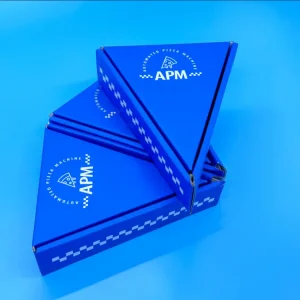
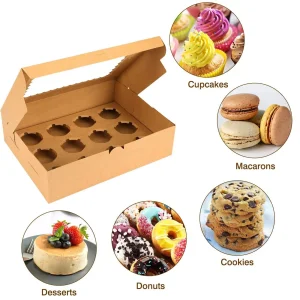
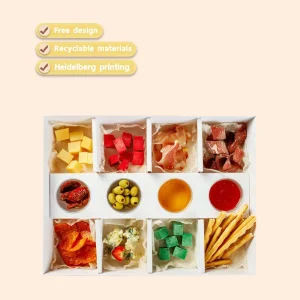
As technology integrates further into global supply chains, industrial packaging is evolving from a passive vessel to an active brand touchpoint. For Austrian importers and retailers, adopting smart features can build brand differentiation:
The future of circular packaging relies on structural ingenuity rather than complex chemical laminates. We are designing folding boxes that eliminate plastic windows entirely, replacing them with precision laser-cut perforations or highly translucent glassine paper windows. This ensures the entire box can be processed in standard European paper pulp recycling machines without additional sorting.
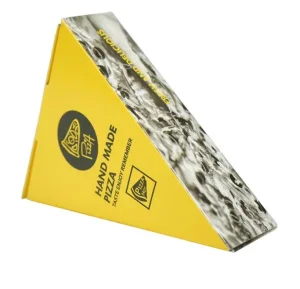
For bakery, dessert, and pizza packaging sectors, traditional polyethylene (PE) or wax barriers are being phased out due to recycling difficulties. Doton is investing in water-based dispersion barriers. These barriers provide excellent oil, grease, and moisture resistance, yet disperse easily in traditional recycling repulping systems, helping brands remain compliant with Austria's evolving waste collection guidelines.
Integrating printed electronics, dynamic QR codes, and RFID tags directly onto internal box surfaces is gaining momentum. This enables traceability from our printing facilities to the end customer's door, while providing digital landing pages that share structural origin and recycling instructions.
Technical and logistics answers for importing custom packaging solutions into Austria.
We provide comprehensive material declarations for every shipment, detail the exact paper types (kraftliner, testliner, chemical fluting) and weights used in your custom boxes. This clean reporting structure allows your team to easily register and report weight-based tariffs through Austrian compliance programs like Altstoff Recycling Austria (ARA).
Following artwork confirmation, standard production runs take 10 to 15 working days. Shipping logistics to Austria typically take 25 to 35 days via sea freight (entering through European ports like Rotterdam or Hamburg, then trucked to Vienna, Graz, or Linz) or 10 to 15 days via rail network transport options.
Yes. We hold FSC chain-of-custody paper options and produce food packaging using high-purity virgin stock and soy-based inks. We supply test certificates and compliance declarations to meet Austrian Federal Ministry rules for food contact materials.
Our general MOQ starts at 1,000 to 3,000 units depending on size, styling complexity, and raw material weight specs. This threshold allows us to run our KBA/Heidelberg industrial offset setups cost-effectively, passing the savings to our importers.
 Doton Printing