 Doton Printing

1. Melbourne's B2B Packaging Transition: Regulation, ESG, & Market Drivers
The metropolitan landscape of Melbourne has emerged as a premier case study in sustainable commercial transformations. Guided by Victoria's stringent waste reduction acts and the progressive ban on single-use plastics implemented under the Environment Protection Act 2018 (effective February 2023), local commercial players have undergone a massive shift toward bio-based, recyclable alternatives. For enterprises, retailers, and food service groups operating throughout Victoria, transition is no longer merely a branding exercise—it is a compliance mandate.
In Melbourne, search queries for B2B packaging alternatives have evolved from generic lookups to specific, intent-driven searches targeted at structural engineering, material grade (GSM) verification, and circular economy compliance. Businesses need to know that their custom paper bags can handle the atmospheric conditions of the Port of Melbourne during logistics, withstand heavy weights for retail distribution, and meet the high-standard aesthetic standards demanded by Collins Street luxury retail.
Furthermore, global brands sourcing for local Australian branches must maintain uniformity across multiple continents. This necessity elevates the requirement for printing consistency—ensuring that the soy-ink flexographic and offset print outputs precisely match global brand guidelines across varied paper batches. To serve this market, a manufacturer must combine heavy industrial capability with strict compliance auditing.
2. The Melbourne Sourcing Grid: Local Distributors vs. Direct-From-Factory China Partnerships
Procurement teams in Victoria typically evaluate two primary procurement strategies: sourcing locally from Melbourne packaging distributors or directly contracting with highly automated industrial packaging plants in China. Understanding the cost trade-offs, lead times, and logistical nuances of each approach is critical to managing total cost of ownership (TCO).
Local Melbourne wholesalers offer fast turnaround times and lower Minimum Order Quantities (MOQs), making them ideal for short-term campaigns. However, local distribution channels typically run on high markup structures due to warehousing overheads, domestic transport fees, and double-handling charges. For large-scale retailers, e-commerce giants, and cosmetic brands requiring over 50,000 units, direct factory integration with advanced manufacturers in China provides significant structural cost advantages.
| Procurement Metric | Local Melbourne Wholesaler | Direct Factory Sourcing (e.g., Doton Printing) |
|---|---|---|
| Minimum Order Quantity (MOQ) | 1,000 - 5,000 Units | 10,000 - 50,000+ Units (Optimized for Bulk Runs) |
| Unit Cost (TCO) | Higher (Includes local distribution markups) | Lowest (Direct manufacturer pricing, scale economy) |
| Customization Options | Standard formats, limited spot-color printing | Unlimited: Hot stamping, spot UV, custom handles, custom shapes |
| Supply Chain Resilience | Subject to local stock levels | Direct control over scheduling, materials, and dispatch |
| Lead Time (Ocean Freight to Port of Melb) | 1 - 2 weeks (If in stock locally) | 4 - 6 weeks (Includes production, shipping & clearance) |
| Certifications (FSC, CE) | Indirectly verified through distributors | Directly verified with raw paper manufacturer documentation |
By partnering directly with a Manufacturer like Zhuhai Doton Printing, Melbourne businesses bypass middle-tier markups. The primary objective is to manage the 6-week logistics timeline effectively. Our direct transport lane from the Port of Zhuhai/Shenzhen to the Port of Melbourne ensures that bulk orders arrive structured, palletized, and ready for immediate regional distribution.
3. China Factory 4.0: Modern Supply Chains and Production Efficiencies
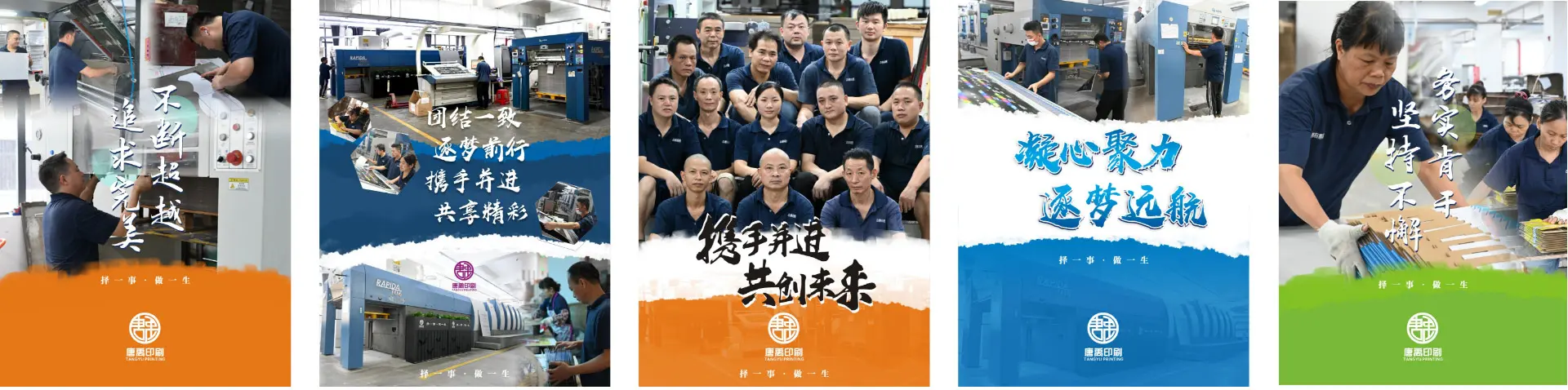
The core differentiator for modern packaging manufacturers is the integration of Factory 4.0 automation systems. Legacy manufacturing processes relied heavily on manual labor for folding, handle attachment, and gluing. Today, our automated facilities combine speed, consistency, and structural integrity to deliver superior packaging solutions.
At Zhuhai Doton Printing, we utilize advanced Heidelberg and KBA offset presses. These machines feature automated ink-control systems that adjust ink distribution dynamically based on digital color profiles. This level of precision is essential for matching corporate branding, ensuring that your corporate navy blue or high-fashion gold foil looks identical across every production batch.
Our automated workflow runs from Computer-to-Plate (CTP) setup to final die-cutting and automatic box pasting. By minimizing manual handling, we achieve:
- Structural Durability: Precise automated adhesive application prevents handle separation and bottom failures.
- High Production Speed: Automated lines process thousands of bags per hour, keeping orders on schedule.
- Minimal Waste: Digital precision reduces paper trimmings, which supports our eco-friendly goals and lowers raw material costs.
4. Material Engineering: Selecting the Right Paper Weight, Coatings, and Handles
Selecting the appropriate materials involves balancing aesthetic goals, budget constraints, and functional requirements. A retail boutique bag requires a different structural design than a food-delivery carrier. The table below highlights key specifications for B2B procurement teams.
| Paper Type | Standard Weights | Common Applications | Finishing Options |
|---|---|---|---|
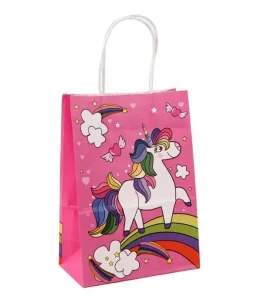
| Brown / White Kraft Paper | 80 gsm - 150 gsm | Takeaway food, bakeries, eco-friendly shopping bags | Flexo print, organic soy ink, untreated natural texture |
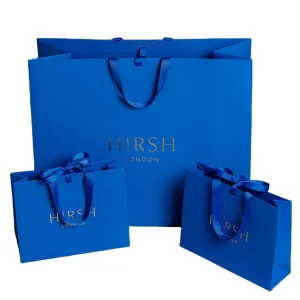
| Art Cardboard / C2S | 170 gsm - 250 gsm | Luxury boutiques, jewellery packaging, premium gift bags | Matte/gloss lamination, spot UV, hot foil stamping |
| Specialty Textured Paper | 120 gsm - 200 gsm | High-end cosmetic brands, designer retail labels | Embossing, debossing, minimalist spot foil |
| Recycled Paper Board | 100 gsm - 140 gsm | E-commerce packaging, green retail events | Water-based ink print, compostable coatings |
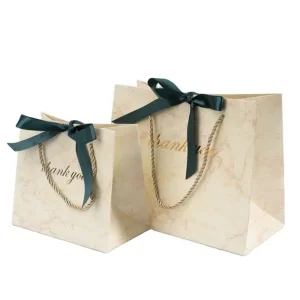
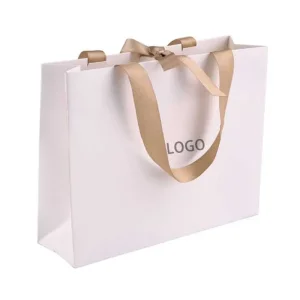
Selecting the correct handle is also essential. For heavy items, we recommend reinforced twisted paper handles or cotton-twill handles secured with metal eyelets. For luxury gift bags, soft cotton ribbon or satin handles add a premium touch. Food delivery bags typically feature flat paper handles or die-cut handles, which are economical and stack easily.
5. Sustainability, Certification, & Environmental Standards (FSC & Soy Inks)
As corporate ESG commitments face closer inspection, greenwashing presents a significant compliance risk. Providing clear, auditable documentation of your packaging's source materials is essential.
At Zhuhai Doton Printing, we support environmental transparency by utilizing Forest Stewardship Council (FSC) certified paper. This certification ensures that the wood pulp is sourced from responsibly managed forests that preserve biodiversity and support local communities.
We also use eco-friendly soy-based inks rather than traditional petroleum-based alternatives. Soy inks release fewer Volatile Organic Compounds (VOCs) during production and make the paper easier to de-ink during recycling, improving the quality of the recovered fiber. Additionally, we offer water-based dispersion coatings that replace traditional plastic laminations. This allows our luxury gift bags to remain fully recyclable and compostable within Victoria’s waste systems.